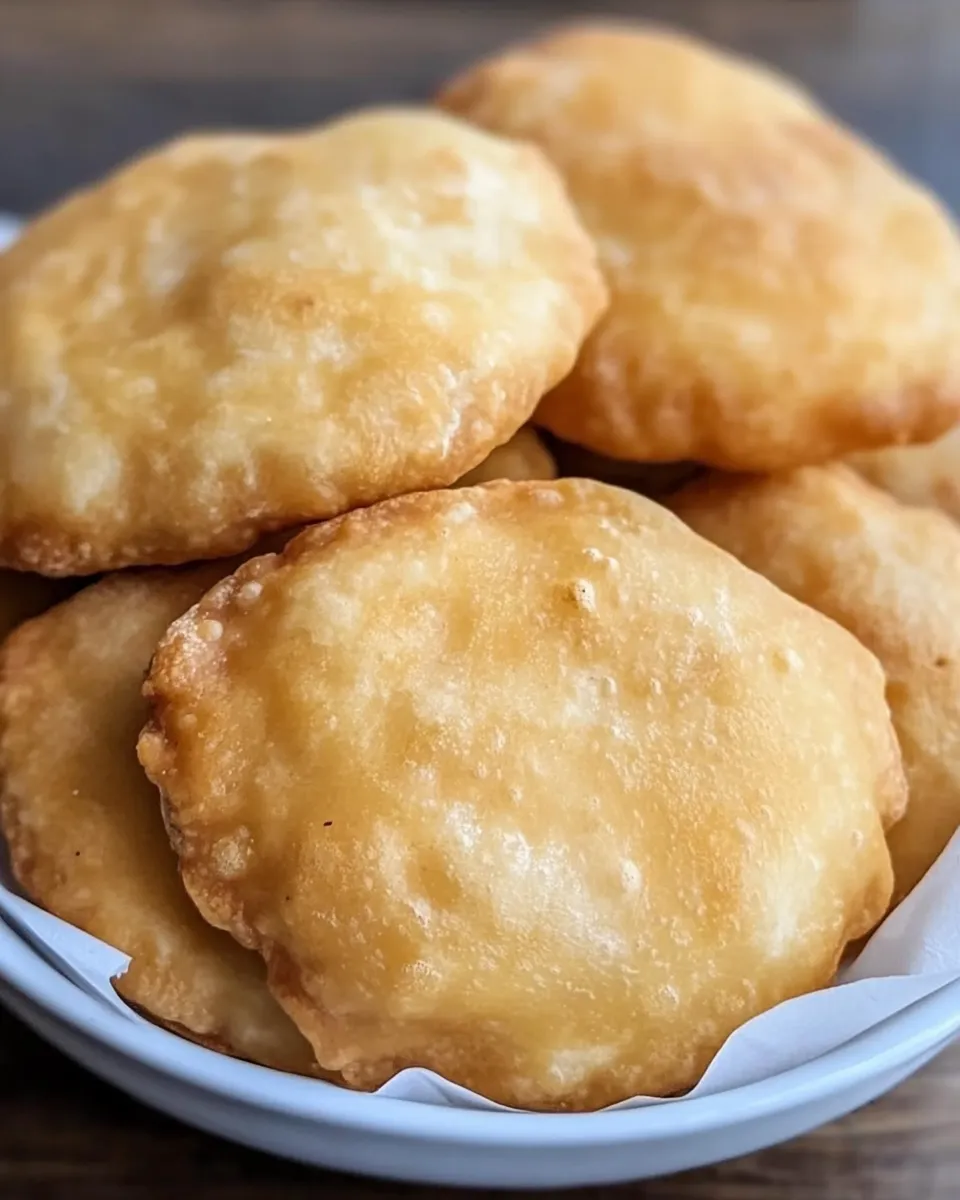
If there’s one Indian bread that can elevate any meal, it’s Poori (Puri). This delightful deep-fried bread is a staple in Indian households, often served with a variety of curries, vegetables, or simply enjoyed with a side of chutney. The crispy exterior and soft, fluffy interior make Poori a beloved favorite across generations. Whether you’re preparing for a festive occasion or simply craving a comforting dish, Poori is sure to impress.
What You’ll Love About This Recipe
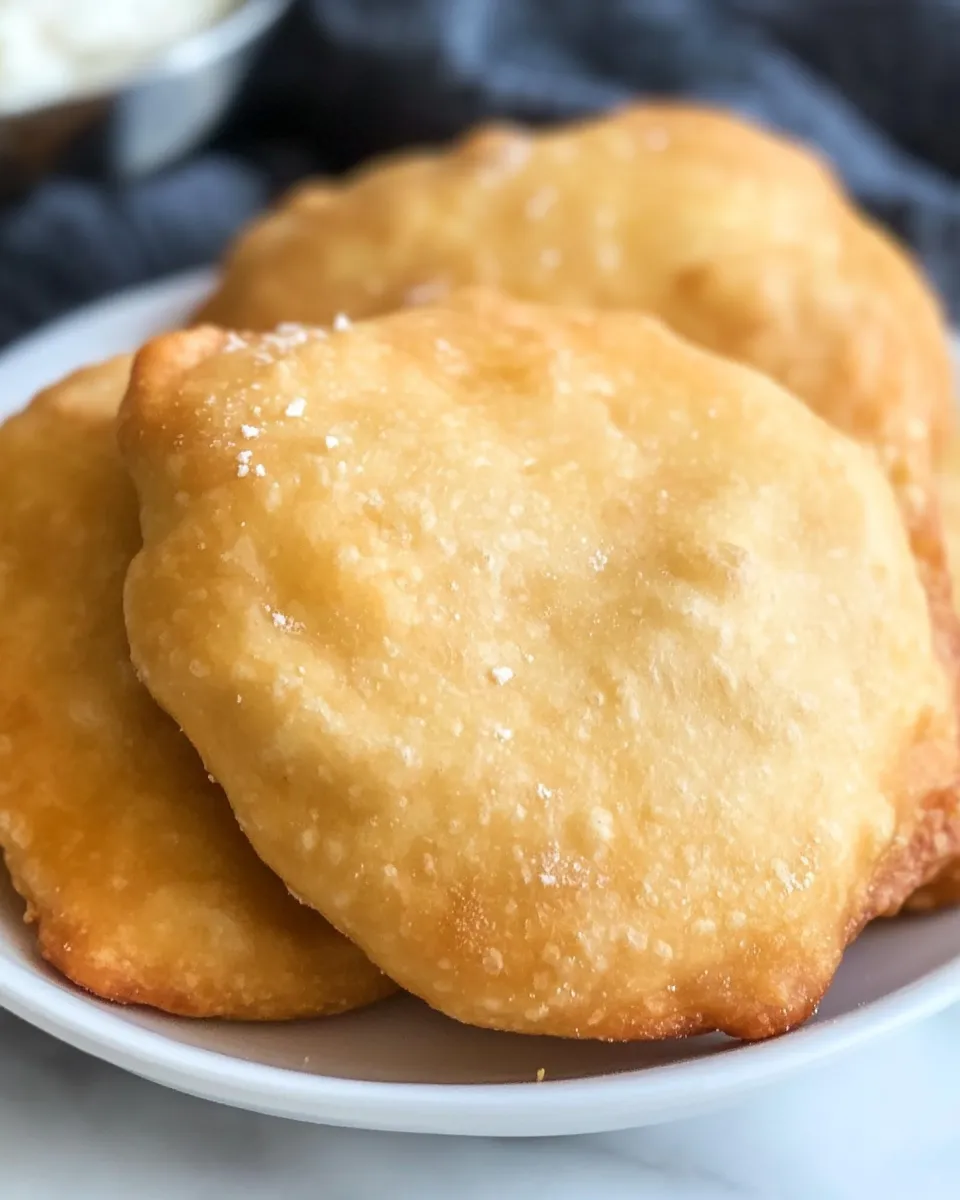
– Quick and easy to prepare, taking less than 30 minutes from start to finish.
– Made with simple ingredients that are likely already in your pantry.
– Fluffy and crispy texture that pairs beautifully with a variety of dishes.
– Perfect for special occasions or a cozy family meal.
What Goes Into Poori (Puri) Indian Deep-Fried Bread
- 2 cups whole wheat flour (atta) – This forms the base of the dough, giving Poori its structure and nutrition.
- 2 teaspoons semolina (sooji or rava) – This ingredient adds a delightful crunch to the texture, making for a perfect puff.
- 1 teaspoon salt – Essential for enhancing the flavor of the Poori.
- 1 teaspoon oil (canola or vegetable) – This helps in making the dough pliable and contributes to the crispiness when fried.
- ¾ cup warm water – The warmth helps in kneading the dough effectively, ensuring a soft texture.
Cook’s Kit
- Mixing bowl – For combining your dry ingredients and kneading the dough.
- Rolling pin – To roll out the dough into small discs.
- Wok or deep frying pan – Essential for deep-frying the Pooris to golden perfection.
- Slotted spoon – For safely removing the Pooris from the hot oil.
- Kitchen towel – To drain excess oil from the fried Pooris.
Poori (Puri) Indian Deep-Fried Bread Made Stepwise
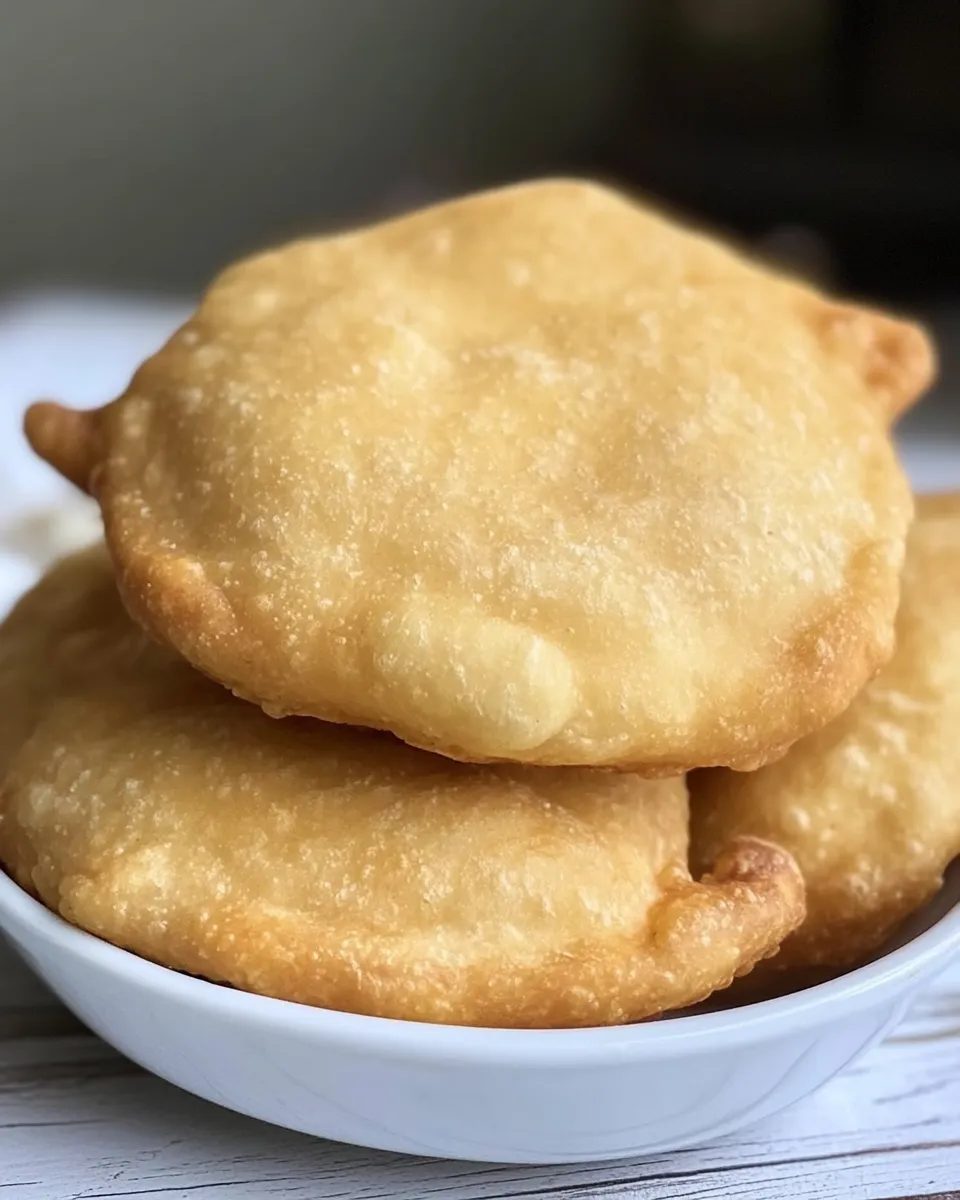
Step 1: Prepare the Dough
In a large mixing bowl, combine the whole wheat flour, semolina, and salt. Mix well to ensure even distribution of the ingredients. Add the oil and rub it into the flour mixture until it resembles coarse crumbs. Gradually add warm water, a little at a time, and knead to form a soft and pliable dough. The dough should not be sticky.
Step 2: Rest the Dough
Cover the dough with a damp cloth or plastic wrap and let it rest for at least 15 minutes. This resting period allows the gluten to relax, making it easier to roll out the Pooris.
Step 3: Divide the Dough
After resting, divide the dough into small balls, about the size of a golf ball. Roll each ball between your palms to make it smooth and round.
Step 4: Roll Out the Pooris
On a lightly floured surface, take one dough ball and flatten it slightly. Using a rolling pin, roll it out into a circle approximately 4-5 inches in diameter. The thickness should be about 1/8 inch. Repeat this process for the remaining dough balls.
Step 5: Heat the Oil
In a wok or deep frying pan, heat enough oil for deep frying over medium heat. To check if the oil is hot enough, drop a small piece of dough into the oil. If it sizzles and floats to the surface, the oil is ready.
Step 6: Fry the Pooris
Gently slide one rolled Poori into the hot oil. It should puff up immediately. Fry for about 30 seconds on each side, or until golden brown. Use a slotted spoon to flip the Poori and ensure even cooking. Once done, remove it from the oil and place it on a kitchen towel to drain excess oil.
Step 7: Repeat the Process
Continue frying the remaining Pooris, ensuring the oil temperature remains consistent. You may need to adjust the heat as you go.
Holiday & Seasonal Touches
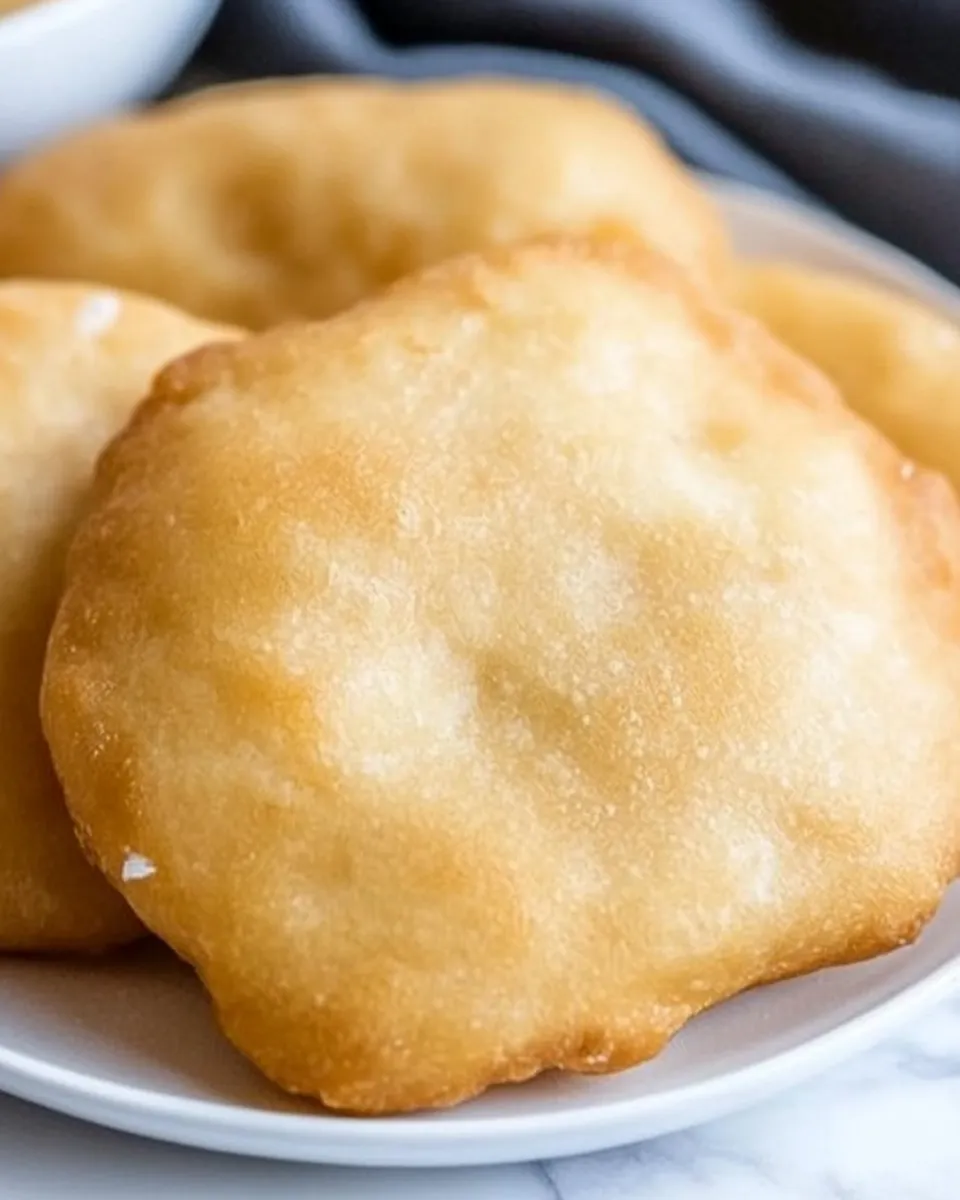
- Festive Occasions: Serve Poori with rich curries, like Chana Masala or Paneer Butter Masala, during Diwali or Holi.
- Seasonal Vegetables: Pair with seasonal vegetable curries to celebrate harvest festivals.
- Sweet Touch: Enjoy Poori with a side of sweetened yogurt or fruit chaat during summer gatherings.
Steer Clear of These
- Avoid using cold water when making the dough, as it can lead to a tough texture.
- Do not overcrowd the frying pan; fry a few Pooris at a time to maintain oil temperature.
- Be cautious of overcooking; burnt Pooris can spoil the taste and texture.
Save for Later: Storage Tips
Pooris are best enjoyed fresh, but if you have leftovers, store them in an airtight container at room temperature for up to a day. Reheat them in a microwave or on a skillet for a few seconds before serving to restore their softness. However, avoid refrigerating them, as this can make them chewy.
Poori (Puri) Indian Deep-Fried Bread FAQs
Can I make Poori dough in advance?
Yes, you can prepare the dough a few hours in advance. Just cover it tightly with plastic wrap and keep it in a cool place. Make sure to knead it again before rolling out.
Why are my Pooris not puffing up?
Pooris may not puff up if the dough is too tight or if the oil is not hot enough. Ensure your dough is soft and the oil is at the right temperature for frying.
What can I serve with Poori?
Pooris are versatile and can be served with a variety of dishes, including potato curry, chickpea curry, or even a simple vegetable stir-fry. They also pair well with sweet dishes like halwa or yogurt.
Can I make Poori with all-purpose flour?
Yes, while traditional Poori is made with whole wheat flour, you can substitute all-purpose flour. However, the texture may differ slightly.
Next Steps
Now that you’ve mastered the art of making Poori (Puri) Indian Deep-Fried Bread, it’s time to get creative in the kitchen. Experiment with different fillings or serve them alongside various dishes to discover your favorites. Whether it’s a casual weeknight dinner or a festive feast, Poori will undoubtedly add a touch of magic to your meal. So gather your ingredients, roll up your sleeves, and dive into the delightful world of Poori!

Poori (Puri) Indian Deep-Fried Bread
Ingredients
- 2 cups whole wheat flour (atta)
- 2 teaspoons semolina (sooji or rava)
- 1 teaspoon salt
- 1 teaspoon oil (canola or vegetable)
- ¾ cup warm water
Instructions
- In a large mixing bowl, combine the whole wheat flour, semolina, and salt. Mix well to ensure even distribution of the ingredients. Add the oil and rub it into the flour mixture until it resembles coarse crumbs. Gradually add warm water, a little at a time, and knead to form a soft and pliable dough. The dough should not be sticky.
- Cover the dough with a damp cloth or plastic wrap and let it rest for at least 15 minutes. This resting period allows the gluten to relax, making it easier to roll out the Pooris.
- After resting, divide the dough into small balls, about the size of a golf ball. Roll each ball between your palms to make it smooth and round.
- On a lightly floured surface, take one dough ball and flatten it slightly. Using a rolling pin, roll it out into a circle approximately 4-5 inches in diameter. The thickness should be about 1/8 inch. Repeat this process for the remaining dough balls.
- In a wok or deep frying pan, heat enough oil for deep frying over medium heat. To check if the oil is hot enough, drop a small piece of dough into the oil. If it sizzles and floats to the surface, the oil is ready.
- Gently slide one rolled Poori into the hot oil. It should puff up immediately. Fry for about 30 seconds on each side, or until golden brown. Use a slotted spoon to flip the Poori and ensure even cooking. Once done, remove it from the oil and place it on a kitchen towel to drain excess oil.
- Continue frying the remaining Pooris, ensuring the oil temperature remains consistent. You may need to adjust the heat as you go.
Equipment
- Mixing Bowl
- Rolling Pin
- Wok or deep frying pan
- Slotted Spoon
- Kitchen Towel
Notes
- Always use warm water for a softer dough.
- Do not overcrowd the frying pan to keep the oil temperature consistent.
- Store leftover Pooris in an airtight container at room temperature for up to a day.