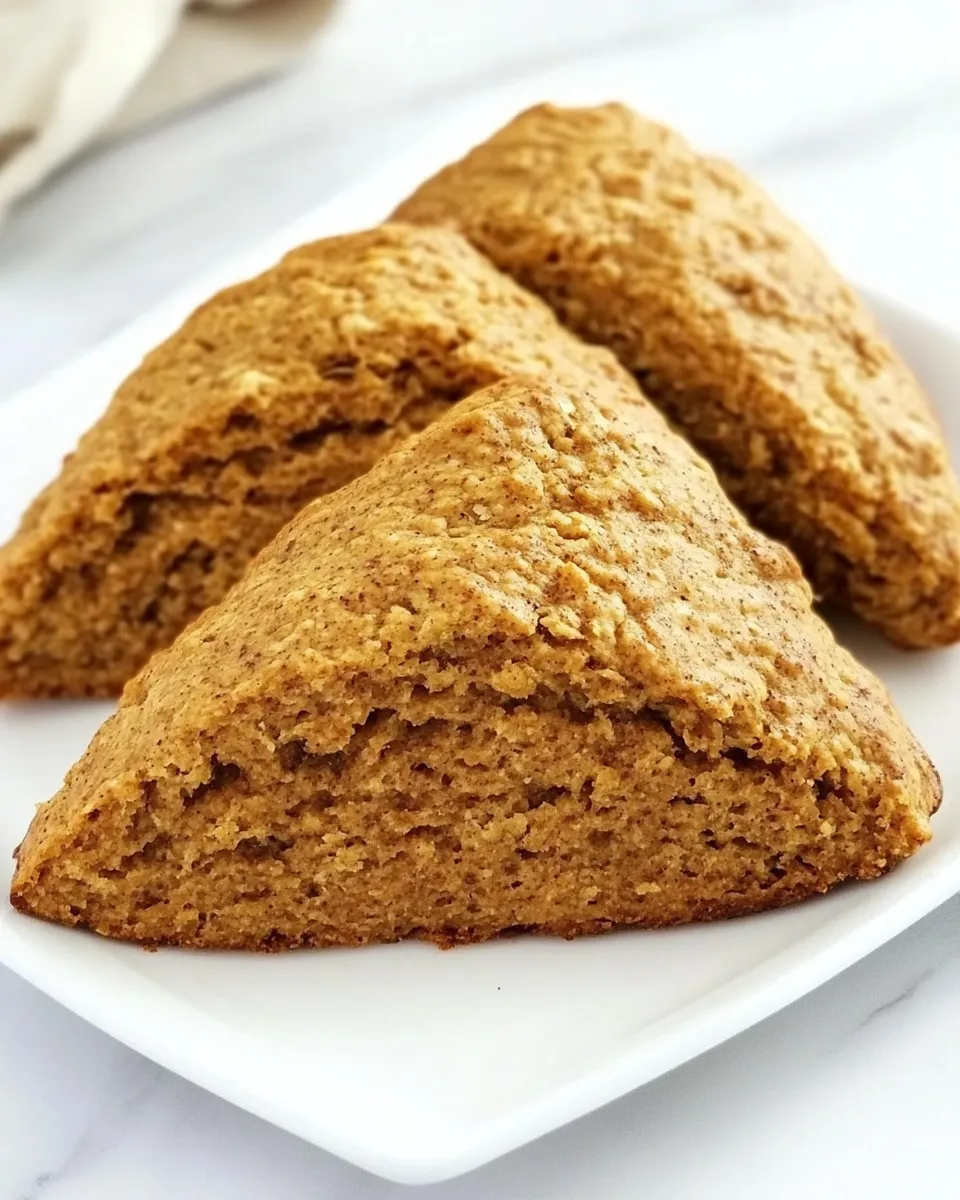
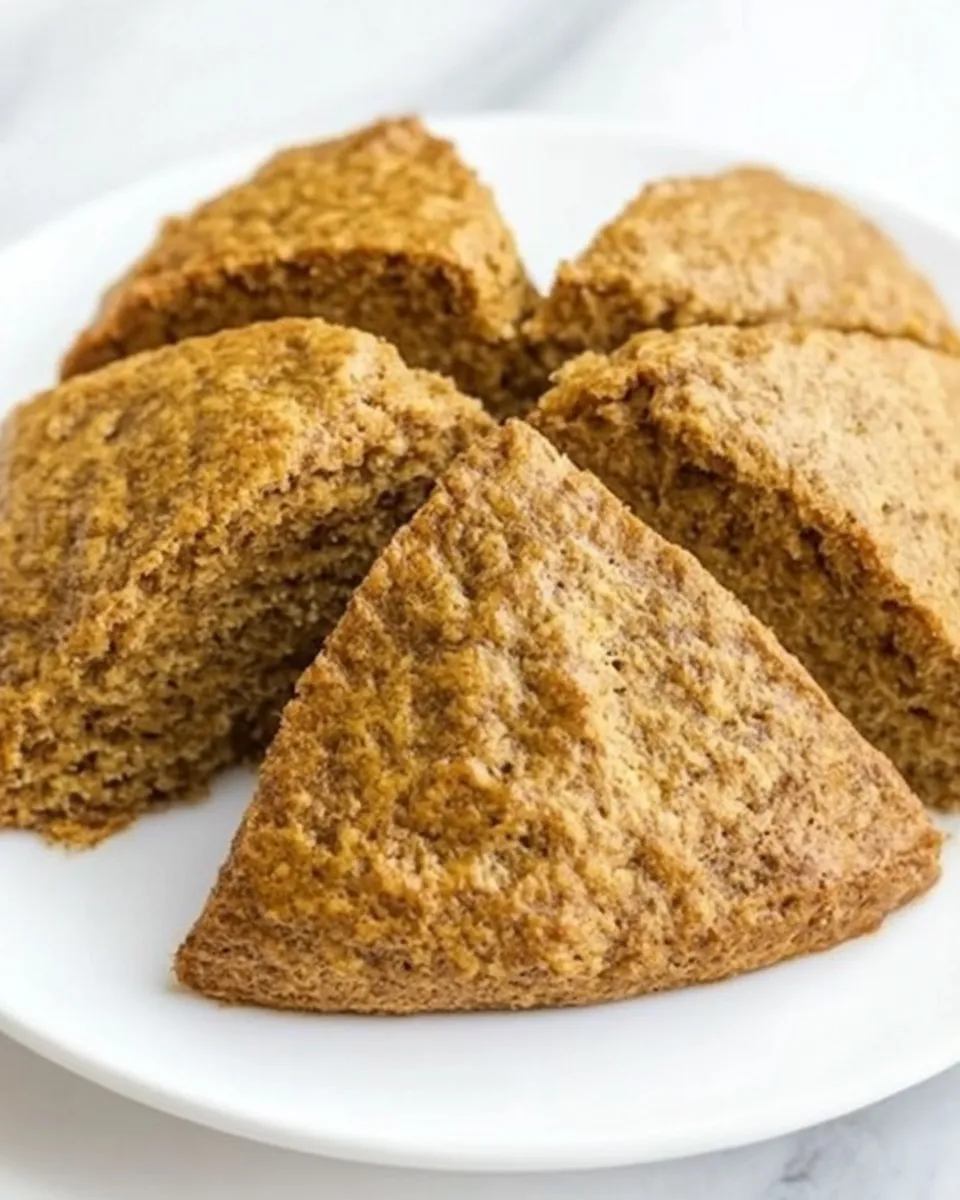
These Gingerbread Scones are the perfect way to embrace the cozy vibes of the season. With their warm spices and sweet molasses flavor, they bring the essence of gingerbread cookies to your breakfast table. Ideal for lazy mornings or holiday gatherings, these scones are quick to whip up and delightful to share. Serve them with a dollop of butter or a drizzle of icing for a truly indulgent experience. Let’s get started on making these delicious scones!
Why This Gingerbread Scones Stands Out
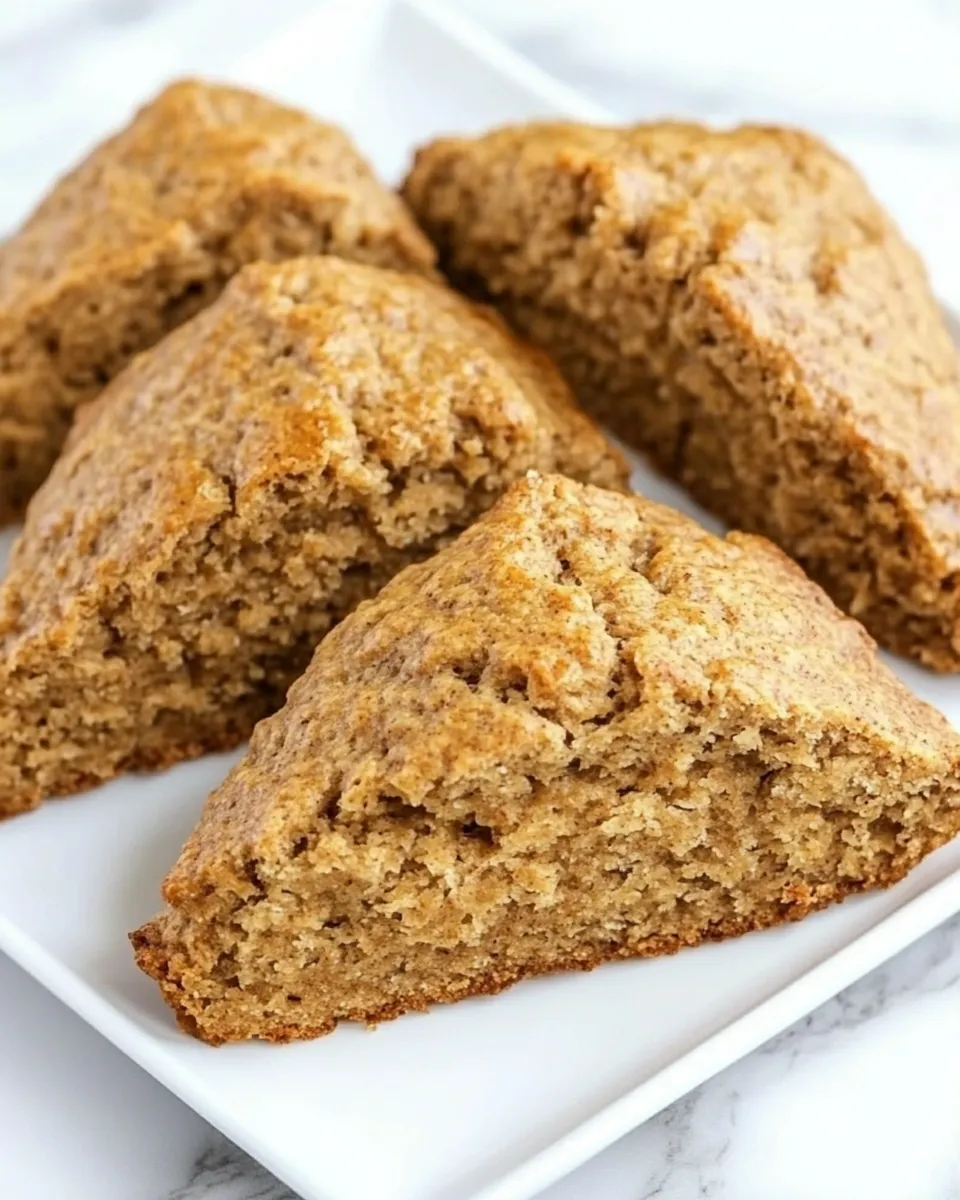
What makes these Gingerbread Scones truly special is their perfect balance of flavors. They are not overly sweet, allowing the spices to shine through beautifully. The addition of dark brown sugar gives a rich depth, while the molasses adds a moistness that keeps the scones tender. Each bite is a delightful combination of warmth and sweetness, reminiscent of the holiday season, yet enjoyable all year round. Plus, they are versatile enough to be enjoyed plain or with your favorite mix-ins.
Ingredients at a Glance
- 2 cups all-purpose flour
- ¾ cup packed dark brown sugar
- 1 tablespoon baking powder
- 1 teaspoon ground cinnamon
- 1 teaspoon ground ginger
- ½ teaspoon ground cloves
- 6 tablespoons chilled butter, cut into pieces
- ½ cup milk
- 1 large egg
- 3 tablespoons molasses
- 1 teaspoon vanilla extract
- ½ cup raisins or dried cranberries (optional)
- 1 to 2 tablespoons coarse sugar, for sprinkling over scones (optional)
Before You Start: Equipment
- Baking sheet: A flat surface to bake your scones evenly.
- Parchment paper: To line the baking sheet for easy cleanup.
- Mixing bowls: For combining your dry and wet ingredients.
- Measuring cups and spoons: To ensure accurate measurements.
- Pastry cutter or fork: For cutting in the butter into the flour.
- Whisk: To mix the wet ingredients together.
- Knife or bench scraper: For cutting the scones into wedges.
Stepwise Method: Gingerbread Scones
Step 1: Preheat the Oven
Preheat your oven to 400°F (200°C) and line a baking sheet with parchment paper. This will ensure that your scones bake evenly and don’t stick.
Step 2: Combine Dry Ingredients
In a large mixing bowl, whisk together the all-purpose flour, dark brown sugar, baking powder, ground cinnamon, ground ginger, and ground cloves. Make sure everything is well combined.
Step 3: Cut in the Butter
Add the chilled butter pieces to the dry mixture. Using a pastry cutter or fork, cut the butter into the flour mixture until it resembles coarse crumbs. This will create that flaky texture we love in scones.
Step 4: Mix Wet Ingredients
In a separate bowl, whisk together the milk, egg, molasses, and vanilla extract until well combined.
Step 5: Combine Wet and Dry Ingredients
Pour the wet ingredients into the bowl with the dry ingredients. Stir gently with a spatula or wooden spoon until just combined. Be careful not to overmix; it’s okay if there are a few lumps.
Step 6: Add Mix-ins
If you’re using raisins or dried cranberries, gently fold them into the dough at this stage.
Step 7: Shape the Scones
Turn the dough out onto a floured surface and pat it into a circle about 1-inch thick. Cut the circle into wedges (like a pizza) or use a biscuit cutter to create round scones.
Step 8: Prepare for Baking
Place the scones on the prepared baking sheet. If desired, sprinkle coarse sugar on top for added sweetness and crunch.
Step 9: Bake
Bake in the preheated oven for about 15-20 minutes, or until the scones are golden brown and a toothpick inserted into the center comes out clean.
Step 10: Cool and Serve
Remove the scones from the oven and let them cool on the baking sheet for a few minutes before transferring them to a wire rack. Serve warm with butter or your favorite jam.
How to Make It Lighter
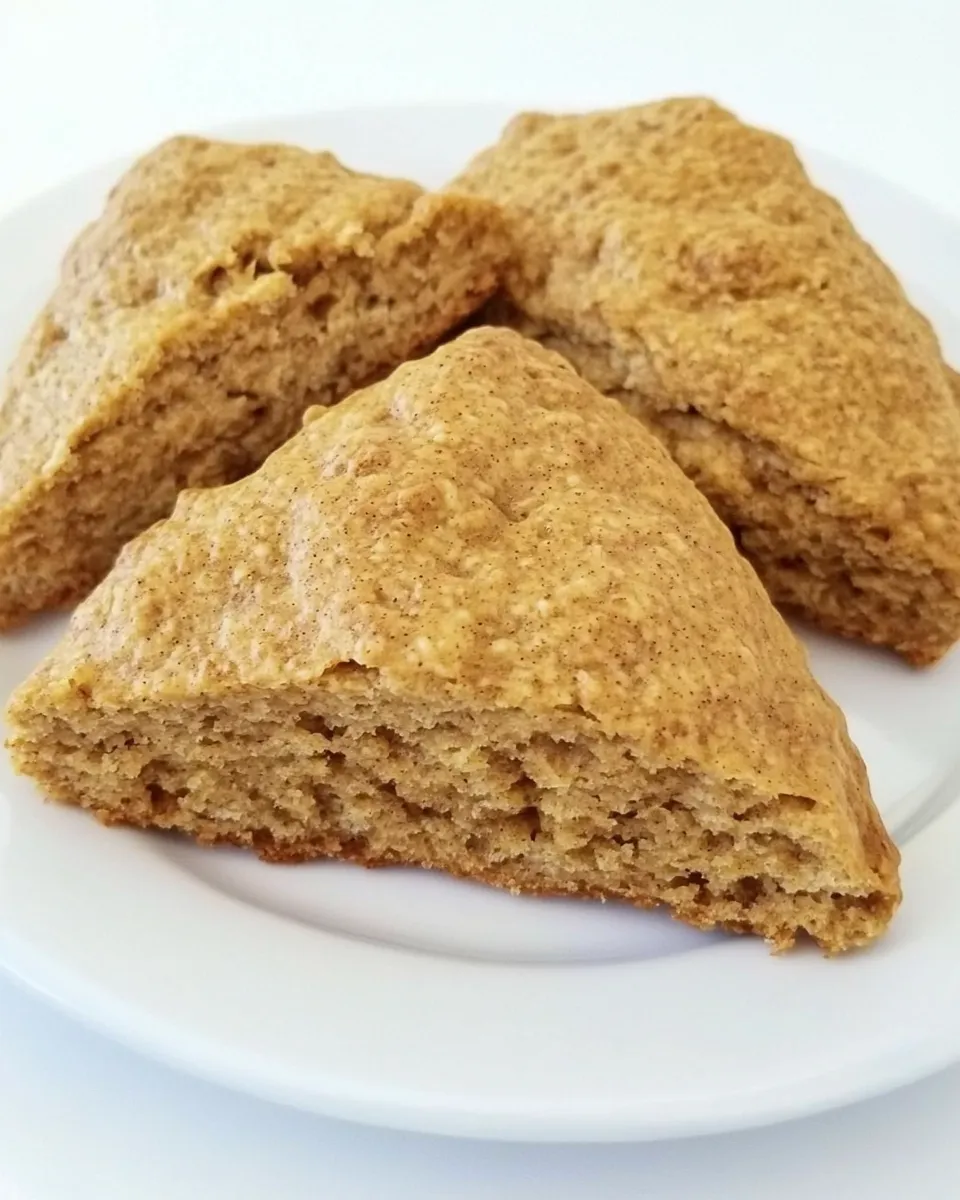
- Substitute half of the all-purpose flour with whole wheat flour for added fiber.
- Use low-fat milk or a plant-based milk alternative to reduce calories.
- Reduce the amount of sugar slightly if you prefer a less sweet scone.
- Opt for unsweetened applesauce instead of butter for a lower-fat version.
Insider Tips
- For the best texture, ensure your butter is very cold before cutting it into the flour mixture.
- Do not overmix the dough; this will lead to tough scones instead of tender ones.
- Feel free to experiment with spices; nutmeg or allspice can add a nice touch.
- Serve these scones fresh, but they also freeze well for future enjoyment.
Freezer-Friendly Notes
You can freeze Gingerbread Scones before baking them. Just shape the scones and place them on a baking sheet in the freezer until firm. Once frozen, transfer them to an airtight container or freezer bag. When you’re ready to enjoy, bake them straight from the freezer; just add a couple of extra minutes to the baking time.
Your Top Questions
Can I use all-purpose gluten-free flour instead?
Yes, you can use a 1:1 gluten-free baking flour. Just make sure it contains xanthan gum for the best results.
How can I store leftover scones?
Store leftover scones in an airtight container at room temperature for up to three days. They are best enjoyed fresh!
Can I make these scones ahead of time?
Absolutely! You can prepare the dough and refrigerate it overnight. Just shape the scones and bake them fresh in the morning for a delightful breakfast treat.
What can I substitute for molasses?
If you don’t have molasses on hand, you can substitute it with honey or maple syrup, though it will slightly alter the flavor and texture.
Hungry for More?
If you loved these Gingerbread Scones, don’t stop there! Explore our collection of delicious scone recipes, from savory to sweet, that will satisfy all your cravings. Each recipe is crafted with love and a touch of creativity, making sure you’ll never run out of ideas for your next baking adventure.
Enjoy your baking, and may your kitchen be filled with warmth and the delightful aroma of freshly baked Gingerbread Scones!

Gingerbread Scones
Ingredients
- 2 cups all-purpose flour
- ¾ cup packed dark brown sugar
- 1 tablespoon baking powder
- 1 teaspoon ground cinnamon
- 1 teaspoon ground ginger
- ½ teaspoon ground cloves
- 6 tablespoons chilled butter cut into pieces
- ½ cup milk
- 1 large egg
- 3 tablespoons molasses
- 1 teaspoon vanilla extract
- ½ cup raisins or dried cranberries (optional)
- 1 to 2 tablespoons coarse sugar for sprinkling over scones (optional)
Instructions
- Preheat your oven to 400°F (200°C) and line a baking sheet with parchment paper. This will ensure that your scones bake evenly and don't stick.
- In a large mixing bowl, whisk together the all-purpose flour, dark brown sugar, baking powder, ground cinnamon, ground ginger, and ground cloves. Make sure everything is well combined.
- Add the chilled butter pieces to the dry mixture. Using a pastry cutter or fork, cut the butter into the flour mixture until it resembles coarse crumbs.
- In a separate bowl, whisk together the milk, egg, molasses, and vanilla extract until well combined.
- Pour the wet ingredients into the bowl with the dry ingredients. Stir gently with a spatula or wooden spoon until just combined. Be careful not to overmix; it’s okay if there are a few lumps.
- If you’re using raisins or dried cranberries, gently fold them into the dough at this stage.
- Turn the dough out onto a floured surface and pat it into a circle about 1-inch thick. Cut the circle into wedges (like a pizza) or use a biscuit cutter to create round scones.
- Place the scones on the prepared baking sheet. If desired, sprinkle coarse sugar on top for added sweetness and crunch.
- Bake in the preheated oven for about 15-20 minutes, or until the scones are golden brown and a toothpick inserted into the center comes out clean.
- Remove the scones from the oven and let them cool on the baking sheet for a few minutes before transferring them to a wire rack. Serve warm with butter or your favorite jam.
Equipment
- Baking Sheet
- Parchment Paper
- Mixing Bowls
- Measuring cups and spoons
- Pastry cutter or fork
- Whisk
- Knife or bench scraper
Notes
- For the best texture, ensure your butter is very cold before cutting it into the flour mixture.
- Do not overmix the dough; this will lead to tough scones instead of tender ones.
- Feel free to experiment with spices; nutmeg or allspice can add a nice touch.
- Serve these scones fresh, but they also freeze well for future enjoyment.