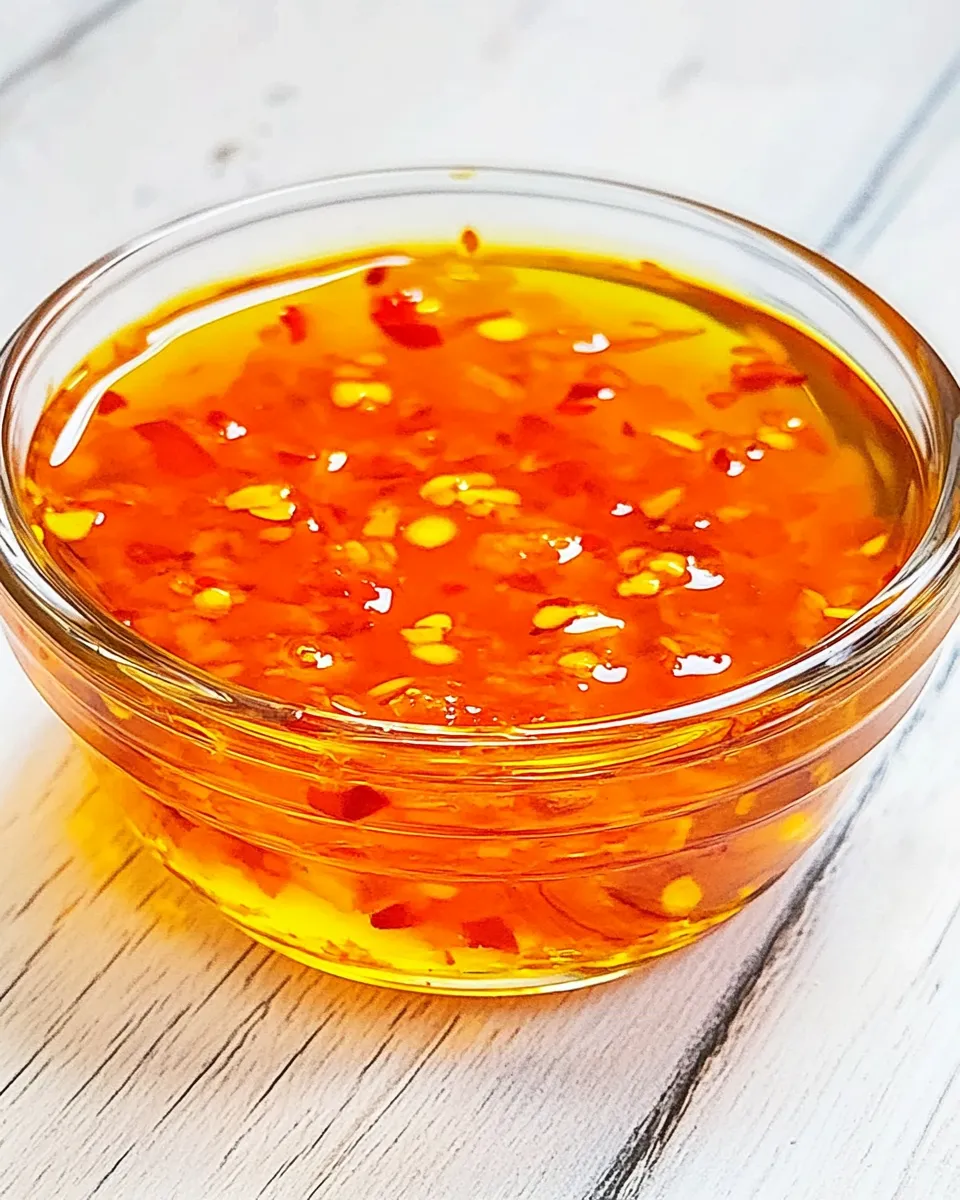
If you’re like me, you can’t get enough of that tangy, spicy kick that only a good hot sauce can deliver. But have you ever tried making your own fermented hot sauce? It’s not only a fun kitchen project but also a way to elevate your culinary game. Fermented hot sauce has a depth of flavor that commercial sauces often lack, thanks to the natural fermentation process that enhances the heat and brings out the natural sweetness of the peppers. Plus, it’s a fantastic way to preserve those beautiful, vibrant peppers from your garden or local market. Let’s dive into this flavorful journey and learn how to create your very own fermented hot sauce!
Why This Recipe Belongs in Your Rotation

Fermented hot sauce is more than just a condiment; it’s a versatile ingredient that can transform a simple dish into something extraordinary. The process of fermentation adds complexity, depth, and a subtle tanginess that pairs wonderfully with a variety of foods. Whether you’re drizzling it over tacos, stirring it into soups, or using it as a marinade, this sauce will quickly become a staple in your kitchen. Plus, it’s incredibly customizable! You can experiment with different types of peppers and spices to create a sauce that perfectly suits your taste.
Ingredient Notes
- Hot peppers of your choice: Use any variety of hot peppers you love—jalapeños, habaneros, or even ghost peppers for an extra kick. Just remember, the heat level can vary widely between varieties.
- Kosher salt: This is essential for the fermentation process. It helps to create an environment that encourages beneficial bacteria to thrive. Avoid iodized salt, as it can hinder fermentation.
- Water: Use filtered water to ensure that no chlorine or contaminants interfere with the fermentation process.
- Vinegar: While the fermentation process will create some acidity, adding vinegar at the end enhances the flavor and helps to stabilize the sauce for long-term storage.
Prep & Cook Tools
- Glass jar: A quart-sized jar works well for fermentation. Make sure it’s clean and free of any residues.
- Blender or food processor: You’ll need this to puree your mixture into a smooth sauce.
- Airlock lid or cloth cover: If you have an airlock lid, it’s great for fermentation. If not, a cloth secured with a rubber band will do the trick.
- Measuring cups and spoons: For accurate measurements of your ingredients.
Build Fermented Hot Sauce Step by Step

Step 1: Prepare the Peppers
Start by washing your hot peppers thoroughly. Remove the stems and, if you prefer a milder sauce, you can remove the seeds as well. Leave them intact if you want to crank up the heat!
Step 2: Create the Brine
In a mixing bowl, combine 2 tablespoons of kosher salt with 2 cups of filtered water. Stir until the salt is fully dissolved. This brine will help to ferment the peppers properly.
Step 3: Combine Peppers and Brine
Place the prepared peppers into your glass jar, packing them in tightly. Pour the brine over the peppers, ensuring they are completely submerged. Leave about an inch of space at the top of the jar.
Step 4: Cover and Ferment
If using an airlock lid, secure it in place. If using a cloth cover, secure it with a rubber band. Leave the jar at room temperature, away from direct sunlight, for about 1 to 2 weeks. Check the sauce daily to ensure the peppers remain submerged in the brine. You may need to press them down occasionally.
Step 5: Blend the Sauce
Once fermentation is complete and you’re happy with the flavor, pour the mixture into a blender or food processor. Add a splash of vinegar to taste. Blend until you achieve your desired consistency—smooth or chunky, it’s up to you!
Step 6: Store the Sauce
Transfer the blended hot sauce into clean glass bottles or jars. Seal them tightly and store in the refrigerator. The flavors will continue to develop over time, so be patient!
Easy Ingredient Swaps

- Hot peppers: Experiment with different peppers like serranos or even sweet bell peppers for a milder flavor.
- Salt: If you don’t have kosher salt, sea salt works well, but avoid table salt.
- Vinegar: Try apple cider vinegar or rice vinegar for a different flavor profile.
Problems & Prevention
- White film on the surface: This is normal yeast formation during fermentation. Simply skim it off before blending.
- Not bubbling: If you don’t see bubbles, it may be too cold. Move your jar to a warmer spot.
- Off smells: If the sauce smells rotten or unpleasant, discard it. Always trust your senses!
Storing, Freezing & Reheating
Your fermented hot sauce can be stored in the refrigerator for up to six months. For longer storage, consider freezing it in ice cube trays. Once frozen, transfer the cubes to a freezer-safe bag for easy portions. When you’re ready to use it, simply thaw the desired amount in the refrigerator or add it directly to dishes that will be cooked.
Quick Questions
Can I use dried peppers instead of fresh ones?
Yes, you can use dried peppers! However, you may need to rehydrate them first in hot water for a few hours before blending.
How can I control the heat level of my hot sauce?
You can control the heat by adjusting the types and amounts of peppers you use. Removing the seeds and membranes will also reduce the heat.
Do I need to add vinegar during fermentation?
No, vinegar is added after fermentation to enhance flavor and help preserve the sauce, but it’s not necessary during the fermentation process itself.
How do I know when my hot sauce is ready?
Your sauce is ready when it has a pleasant tangy aroma and flavor, typically after 1 to 2 weeks of fermentation. Taste it periodically to find your ideal flavor.
Make It Tonight
Creating your own fermented hot sauce is not just a rewarding process; it’s also a delicious adventure that you can embark on tonight! Gather your ingredients, follow the steps, and get ready to experience a flavor explosion unlike anything you’ve bought from the store. The best part? The longer you let it ferment, the more complex and delightful the flavors become. So, whether you’re planning a weekend project or looking to spice up your weeknight meals, this fermented hot sauce recipe is just the thing to add that perfect kick to your culinary creations.
Embrace the fermentation magic, and let your taste buds rejoice in the incredible flavors of homemade fermented hot sauce!
Fermented Hot Sauce
Ingredients
Ingredients
- 8 peppers Hot peppers of your choice washed, stems removed
- 2 tablespoons Kosher salt
- 2 cups Water filtered
- to taste Vinegar for blending
Instructions
Instructions
- Step 1: Prepare the Peppers. Wash your hot peppers thoroughly. Remove the stems and seeds for a milder sauce, or leave them intact for extra heat!
- Step 2: Create the Brine. In a mixing bowl, combine kosher salt with filtered water and stir until dissolved.
- Step 3: Combine Peppers and Brine. Place peppers in a glass jar, pack tightly, and pour the brine over them, ensuring they are submerged.
- Step 4: Cover and Ferment. Secure the jar with an airlock lid or cloth cover and leave at room temperature for 1 to 2 weeks.
- Step 5: Blend the Sauce. Pour the mixture into a blender, add vinegar, and blend to your desired consistency.
- Step 6: Store the Sauce. Transfer to clean bottles, seal tightly, and refrigerate. The flavors will develop over time.
Equipment
- Glass jar
- Blender or food processor
- Airlock lid or cloth cover
- Measuring cups and spoons
Notes
- Feel free to experiment with different types of hot peppers.
- Use filtered water for best fermentation results.
- Store in the refrigerator for up to six months.